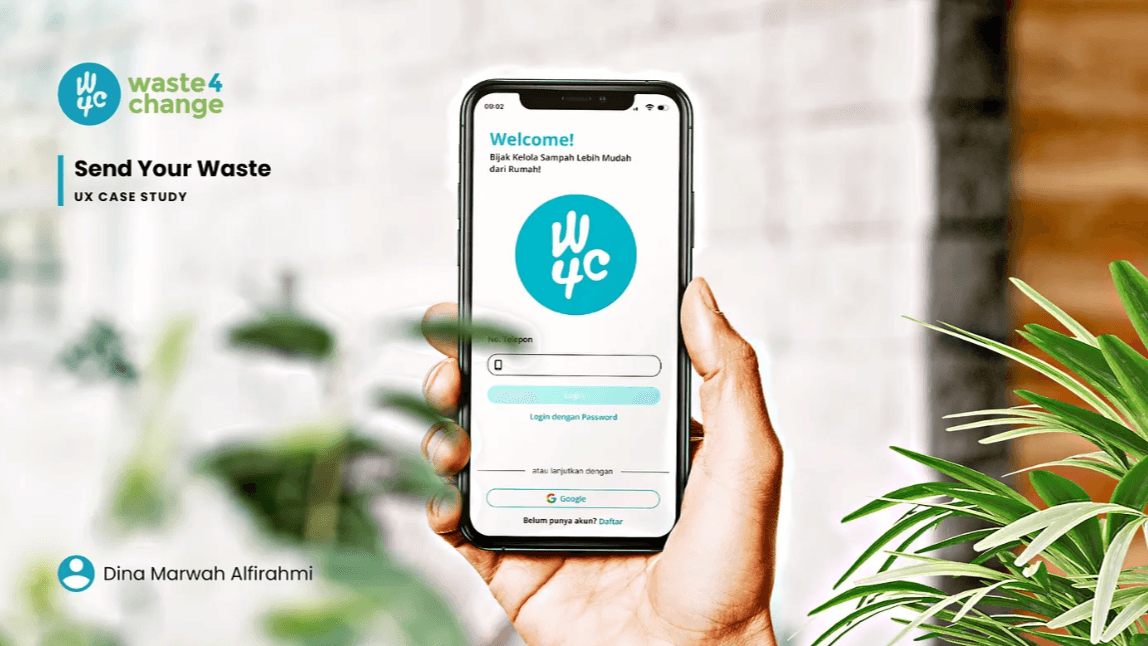
The Problems
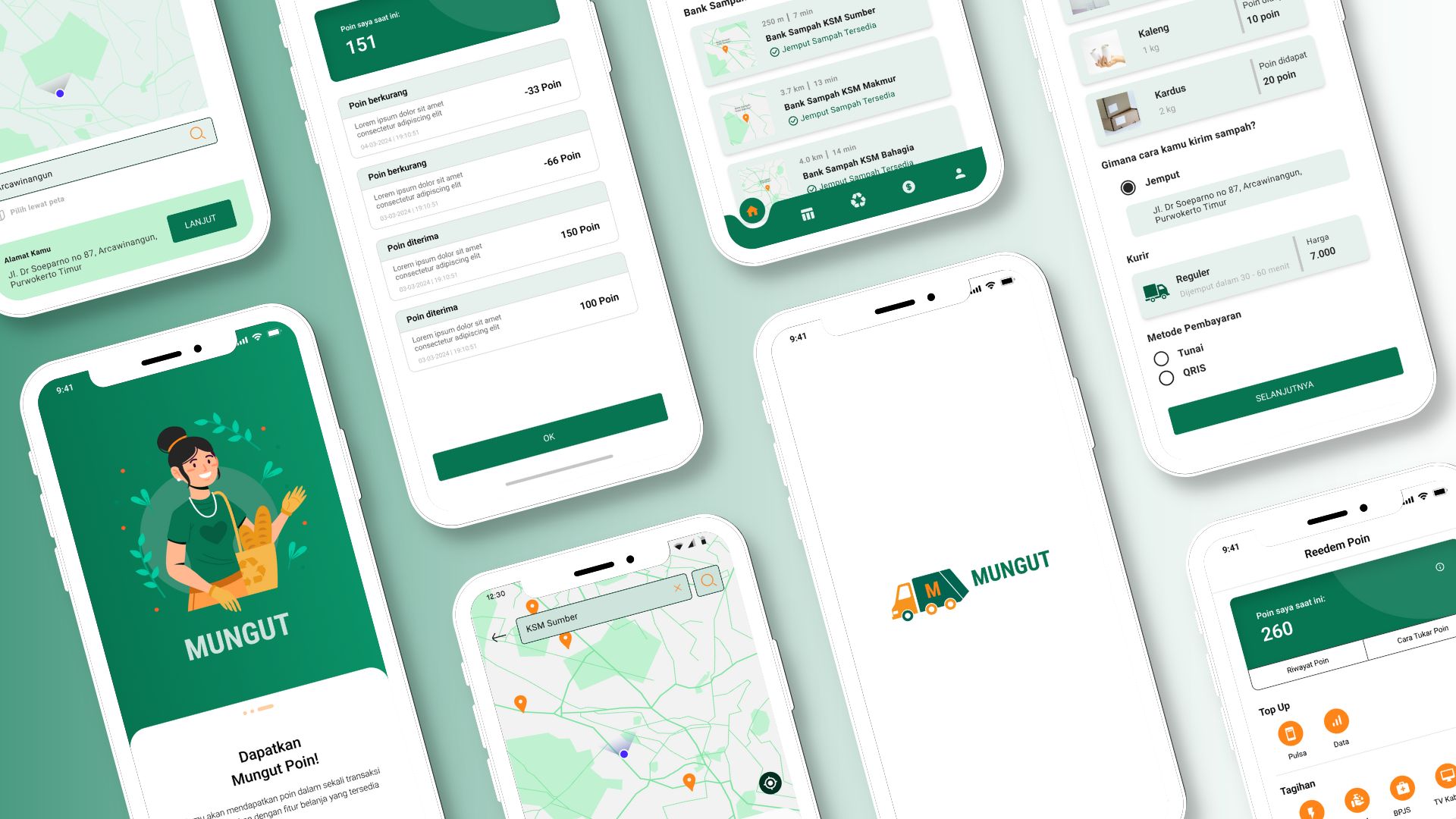
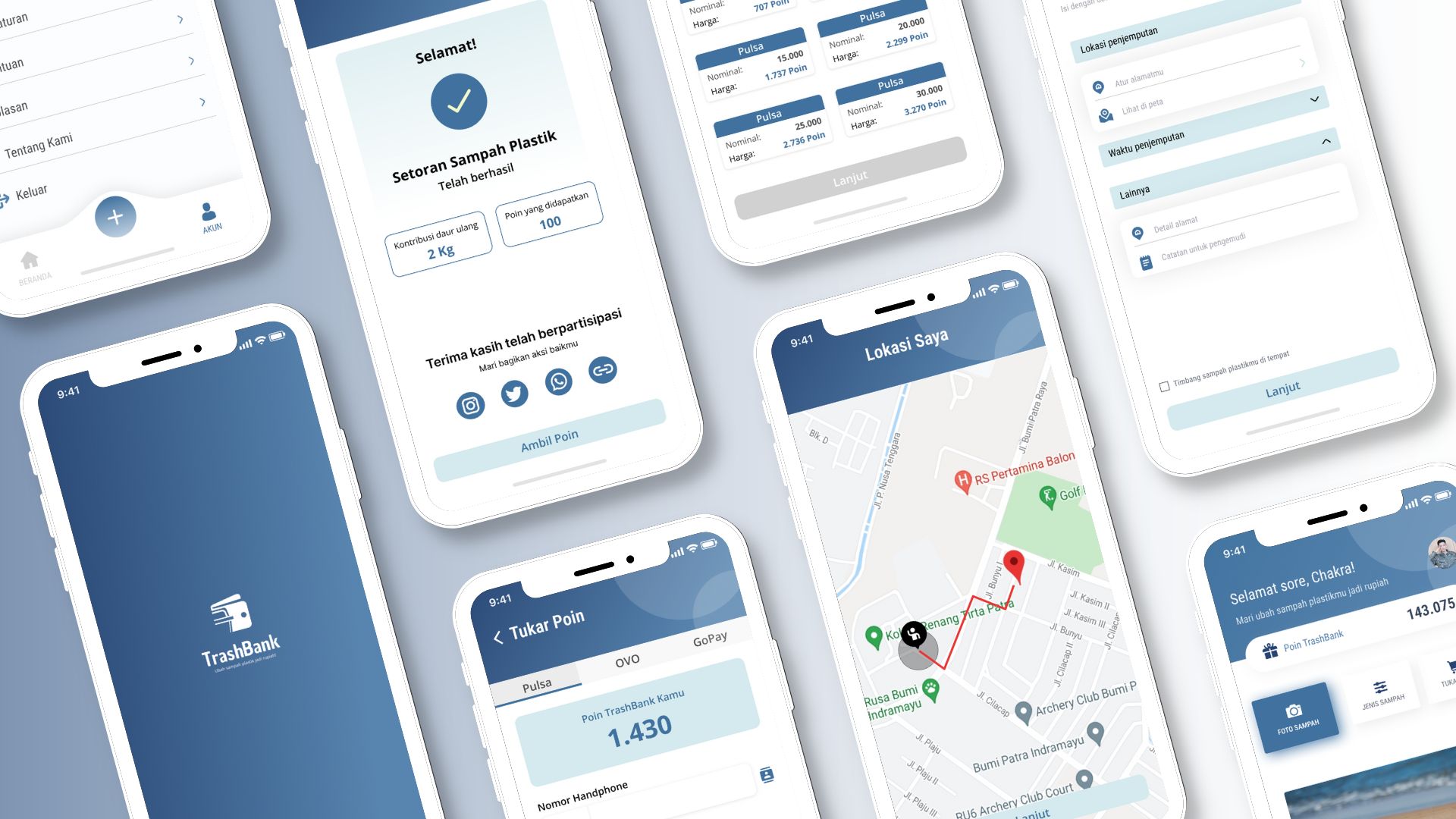
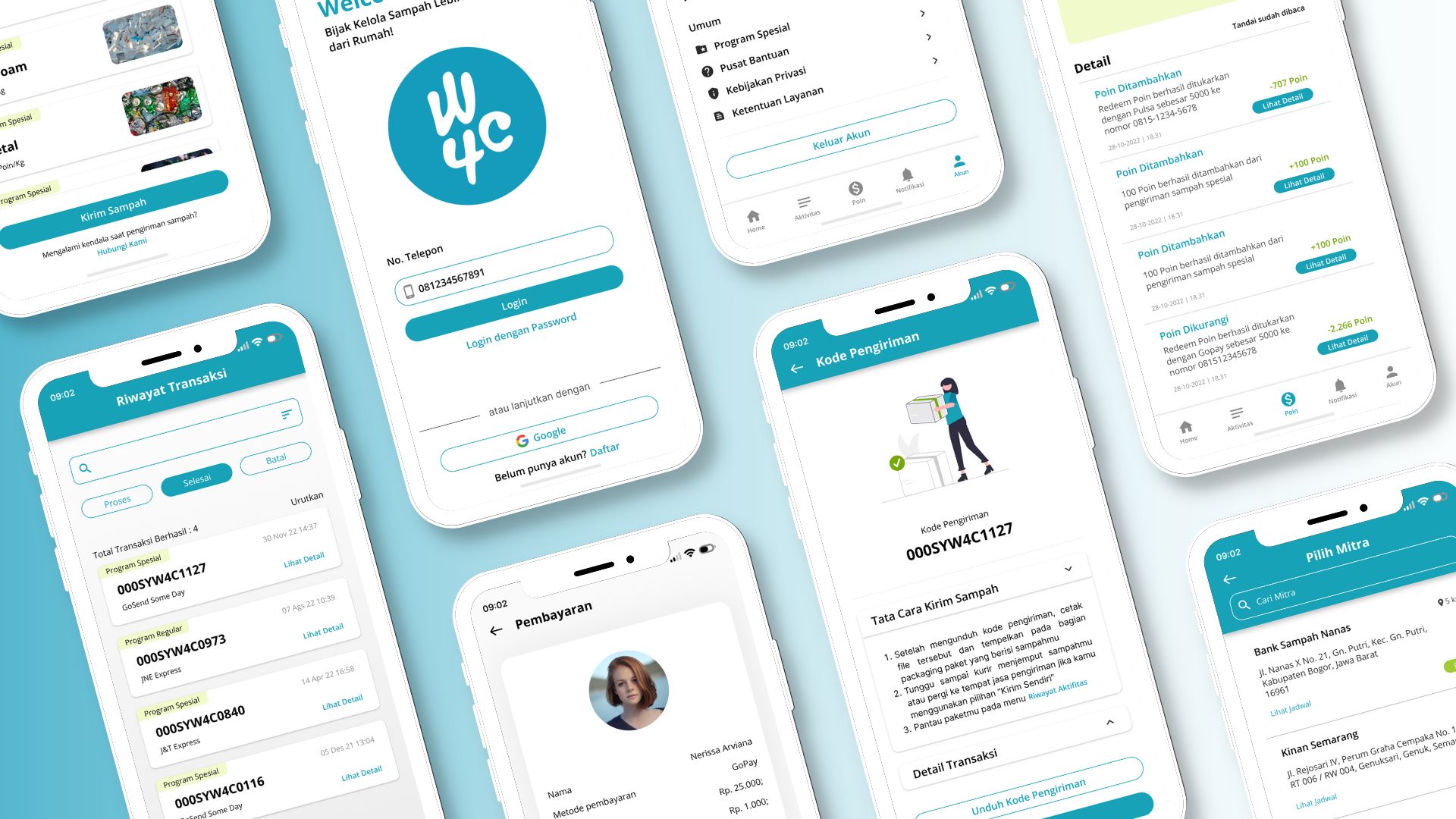
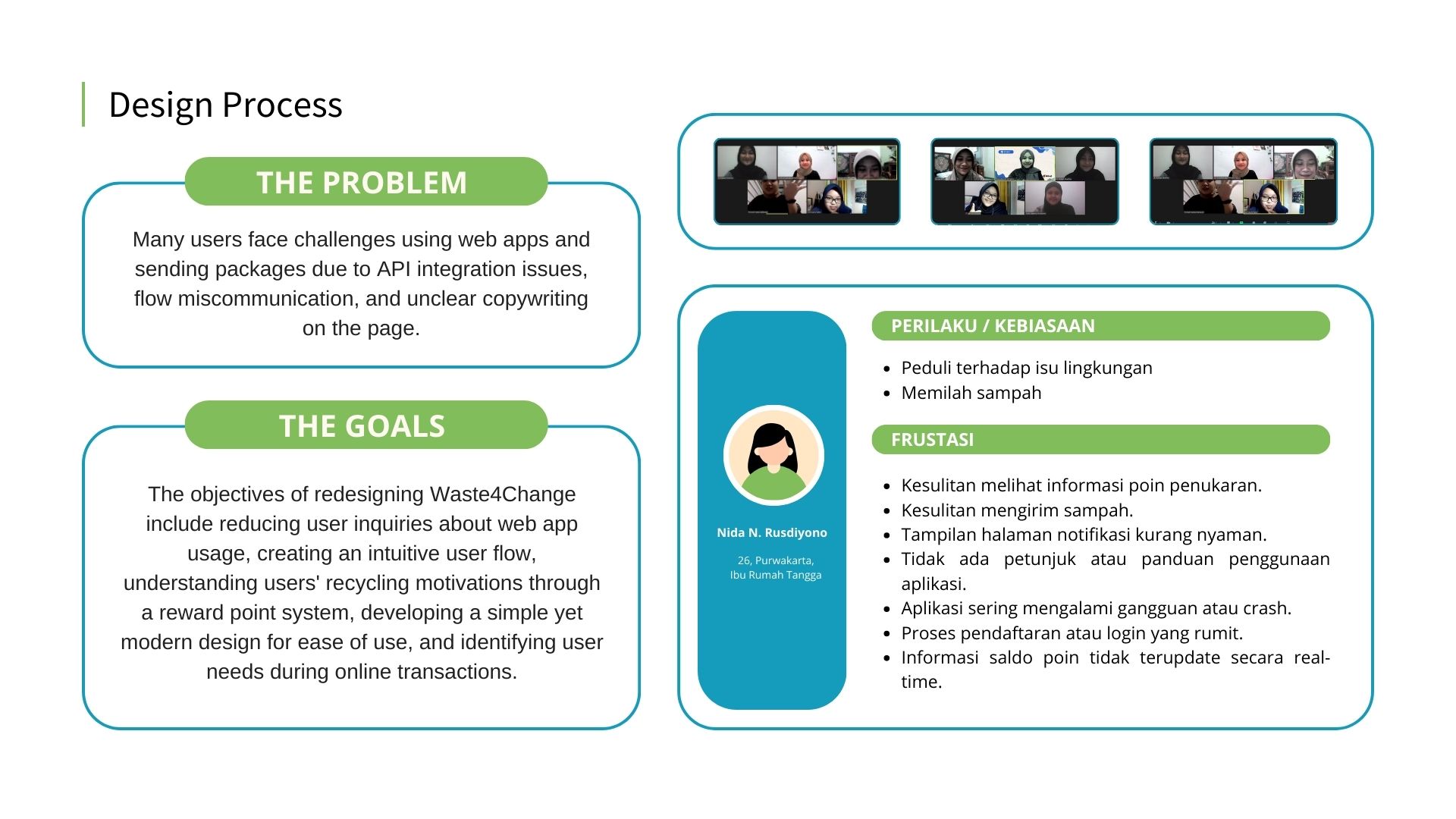
There are many users asking how to use web apps and having difficulties sending packages due to trouble with API integration, which can also be caused by miscommunication in flow and copywriting on the page. Therefore, we will redesign Waste4Change for the Send Your Waste service by improving the following features:
Recycle landing pages
Garbage submission page
Reward points page
Payment transition page
The Goals
Based on the formulation of the problem above, the following are the objectives of redesigning the Send Your Waste service at Waste4Change, including:
Reduced users asking how to use web apps on the Send Your Waste Service.
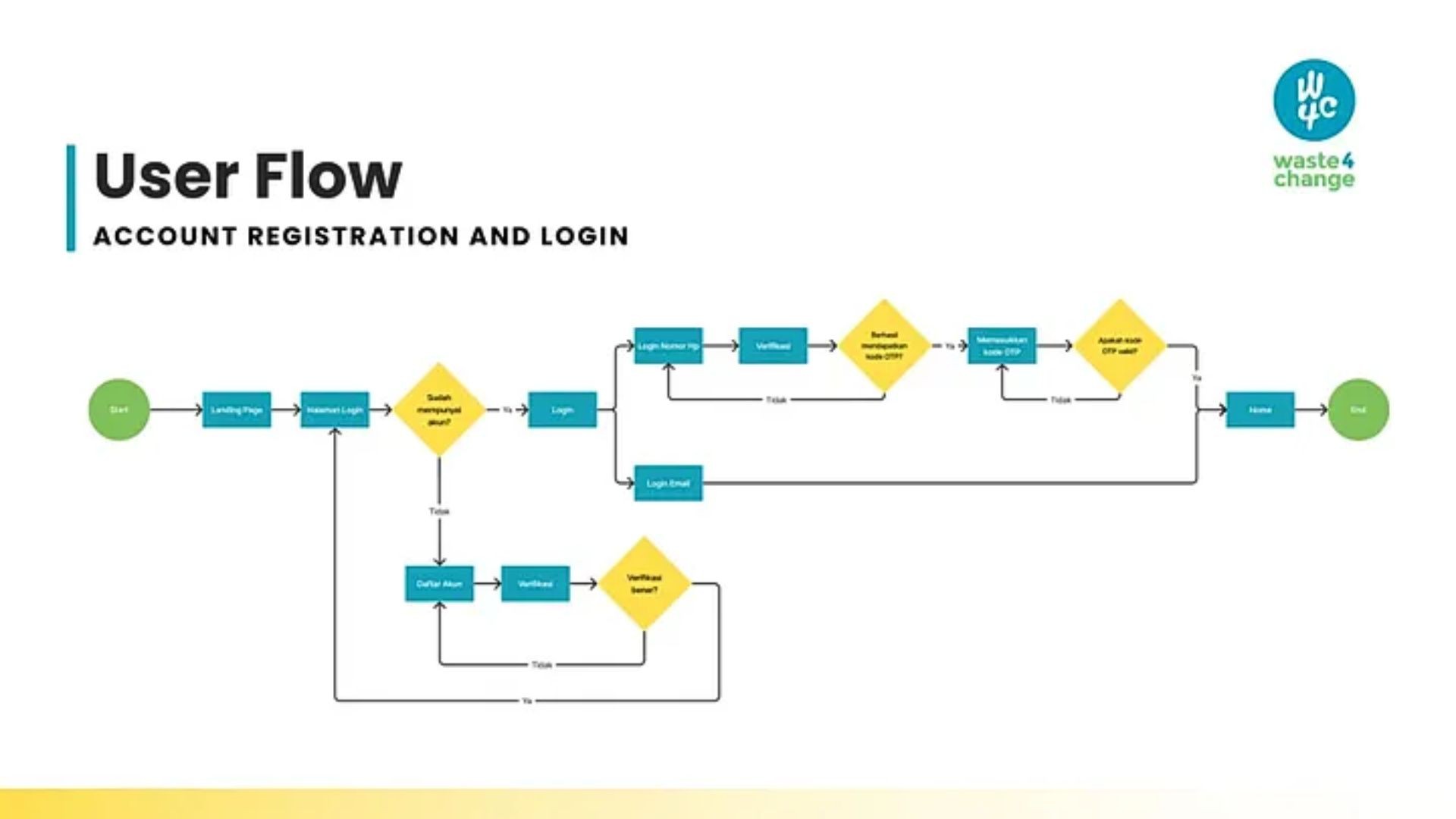
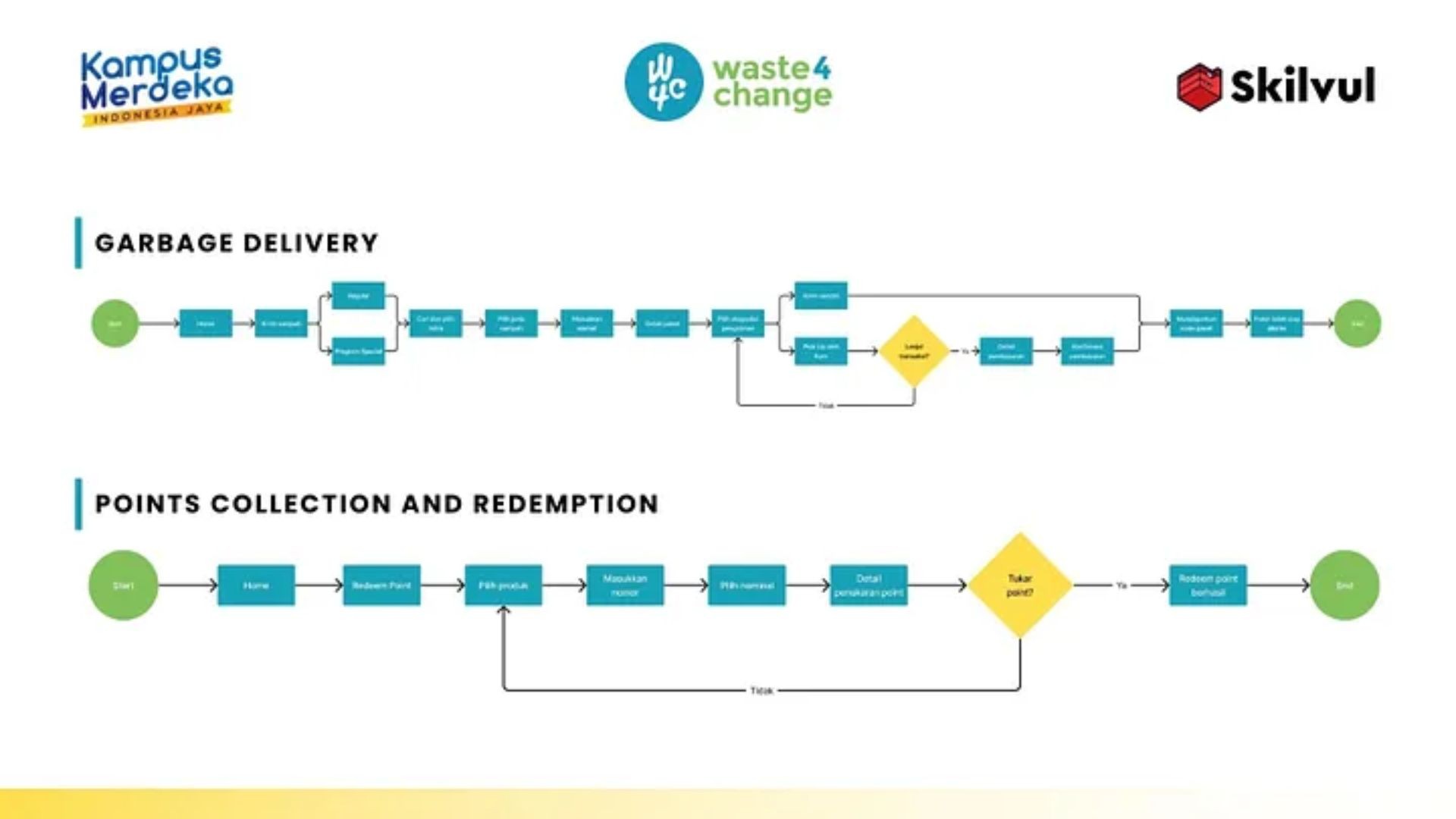
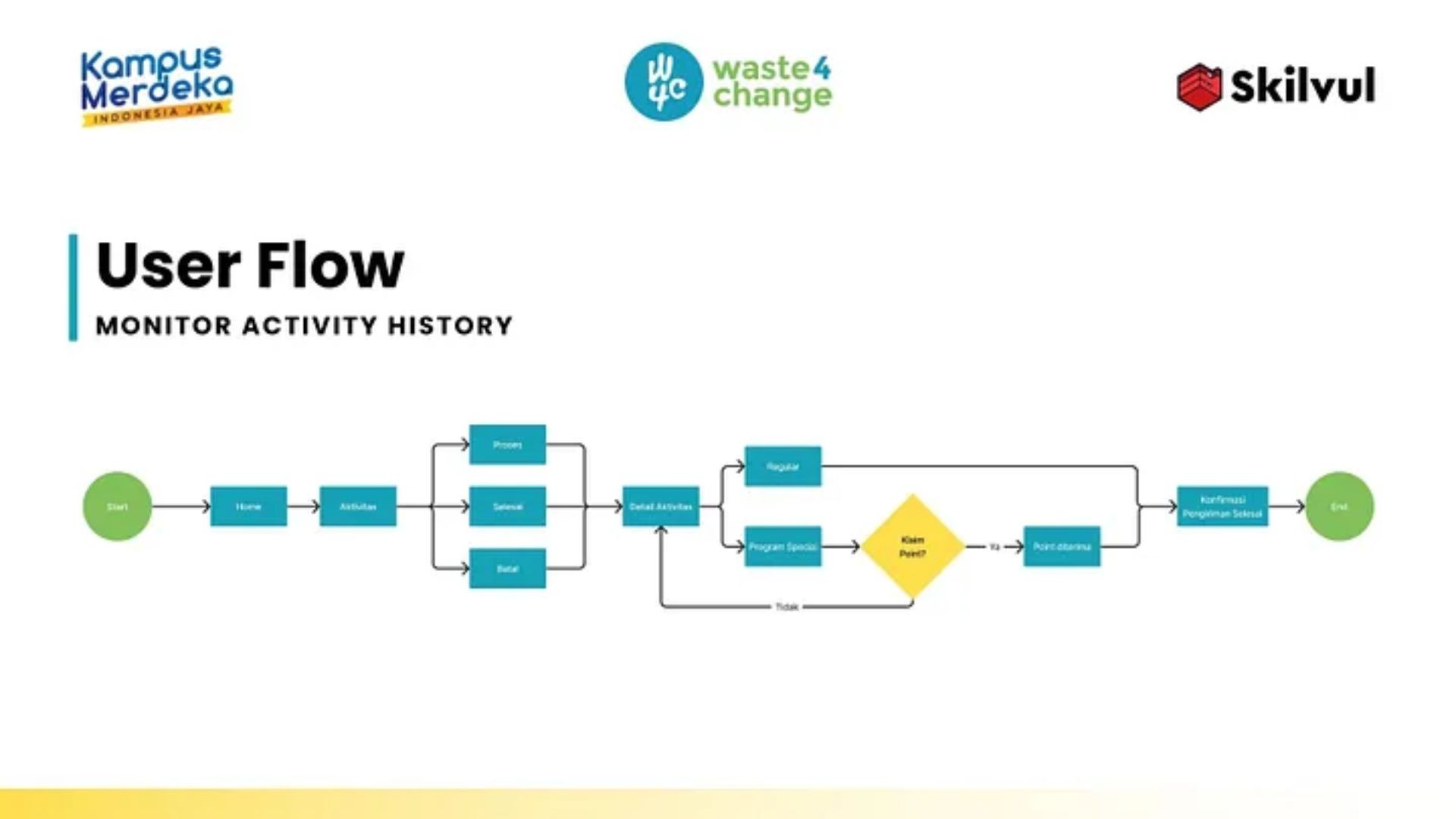
Creating a flow that is easier for users to understand when using the Waste4Change application.
Knowing the user’s motivation to recycle by using the Send Your Waste service with a reward point system.
Create a simple design with a modern look that makes it easier for users to use the service.
Knowing the needs of users when conducting online transactions.
Design Process
In this project, we are using design thinking as our approach because we can customize all aspects of what we create for the target user. In addition, this method can reconstruct the problem from a human perspective so that detailed solutions will be found and have explicit objectives based on an out-of-the-box brainstorming process. So it is expected that the application features can meet the needs of users. Design thinking has repeated stages to improvise and provoke creativity in finding solutions.
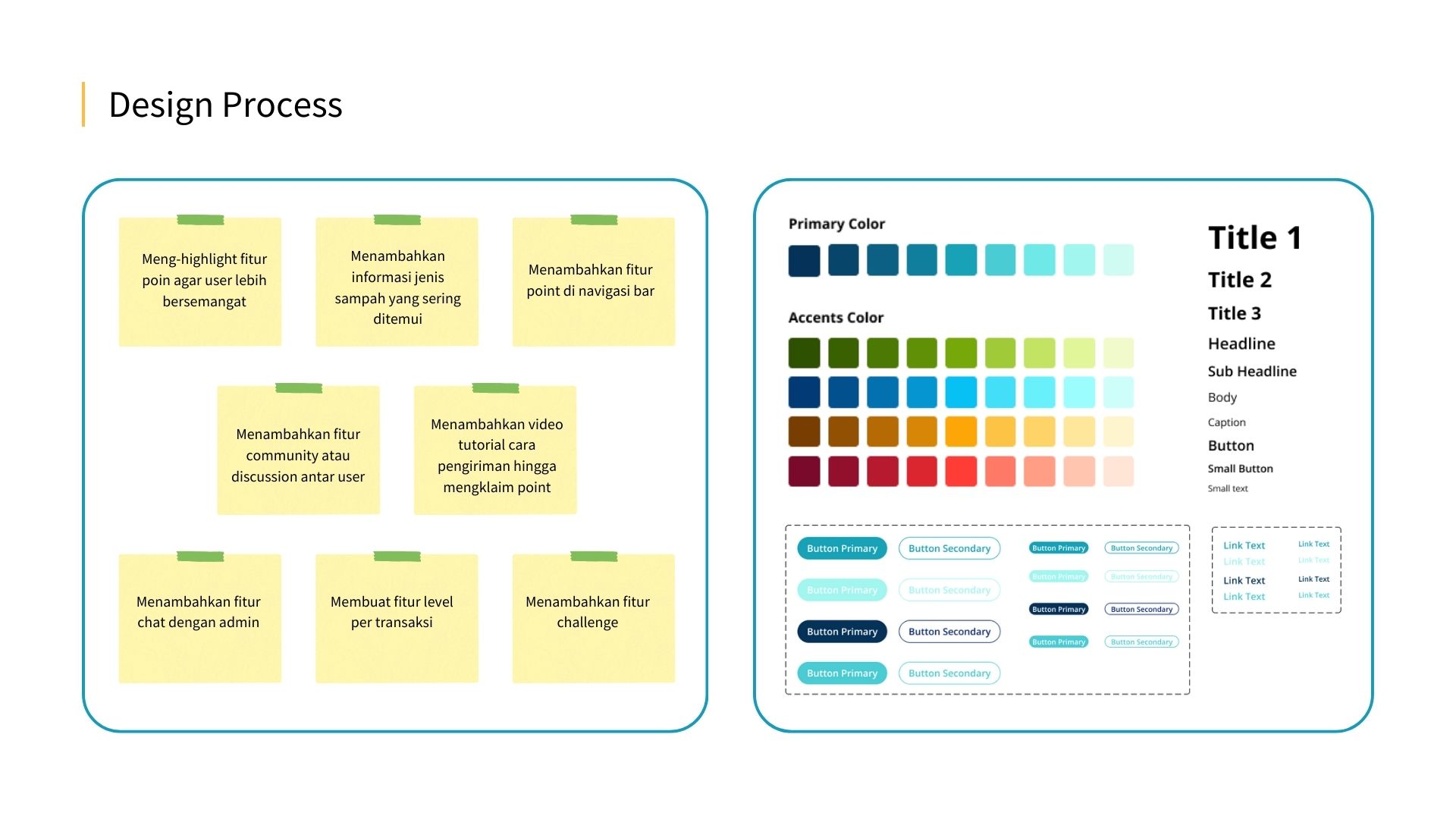
We conducted discussions to find ideas for “How Might We” solutions that have been defined in the previous step. We have so many solution ideas that we need to narrow them down by grouping them by category. This process will also be useful in determining our priorities.
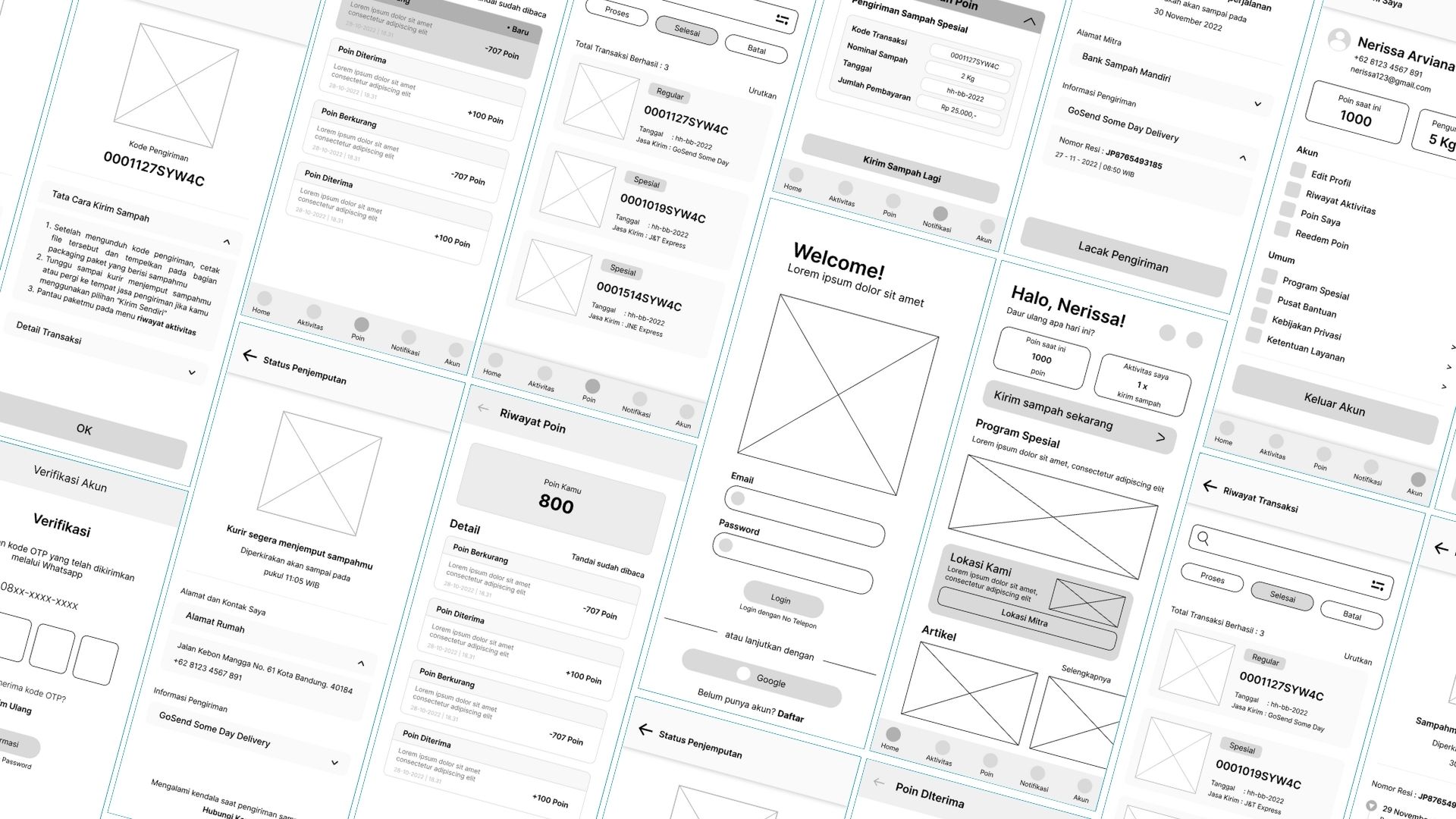
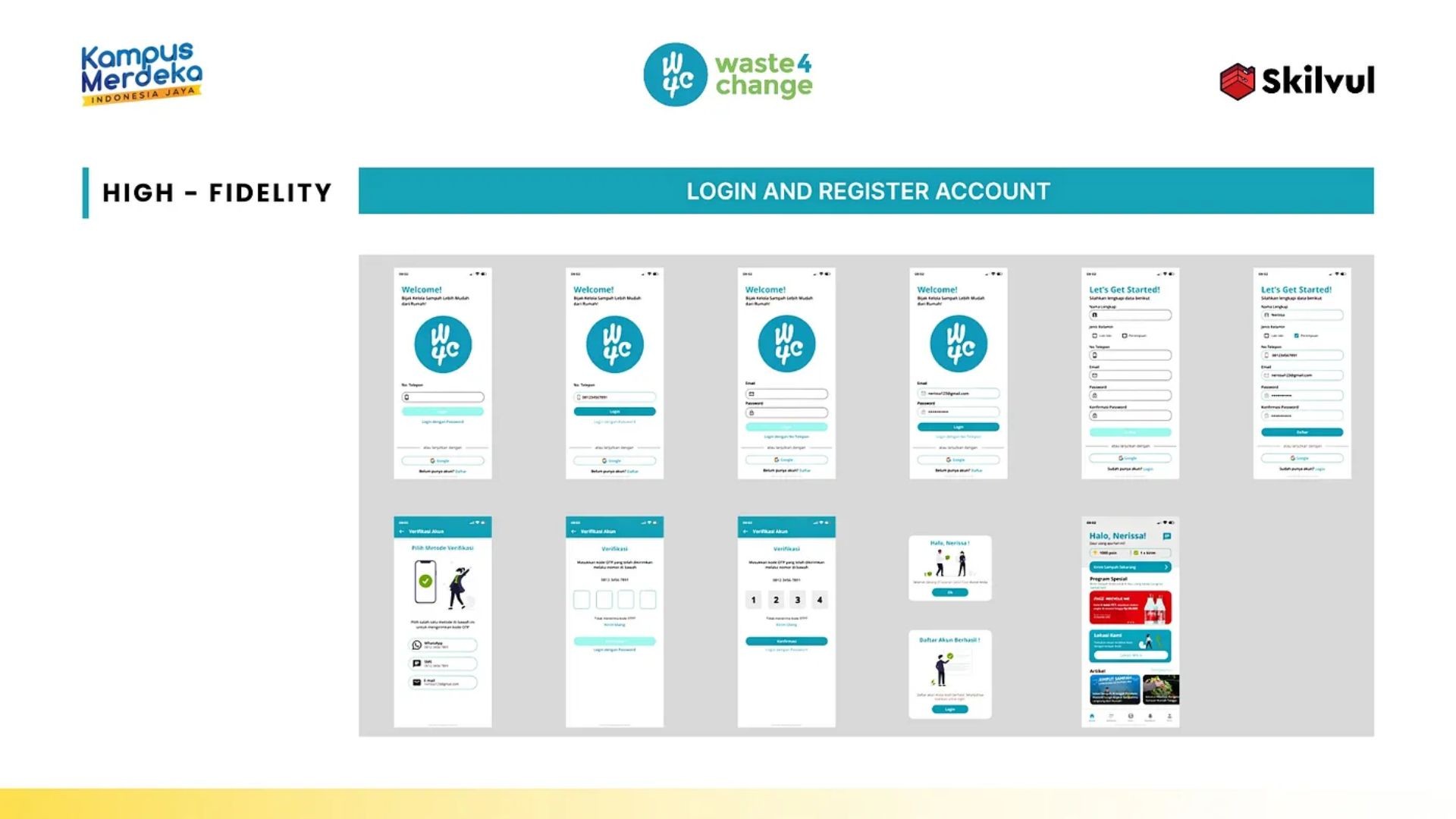
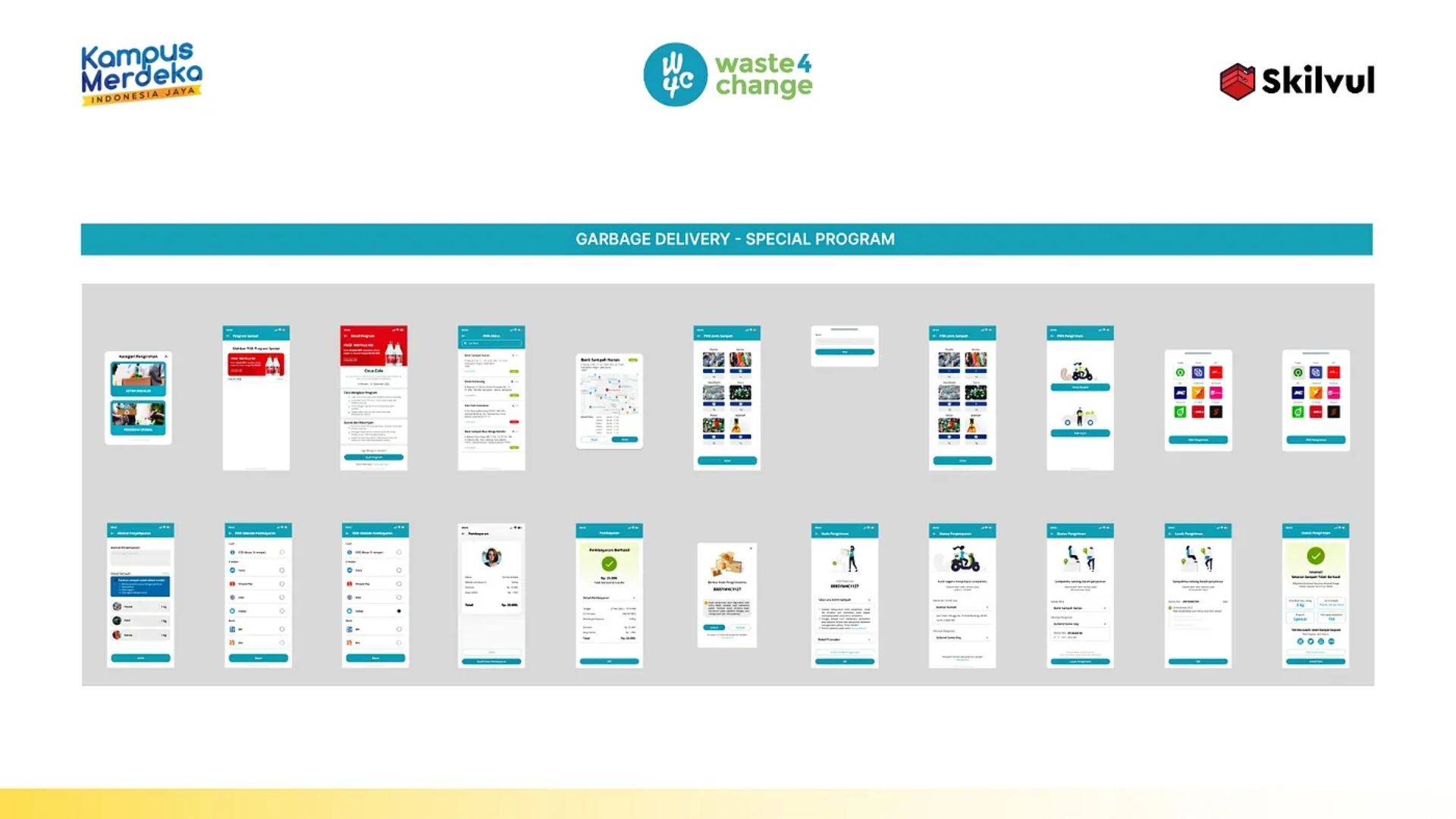
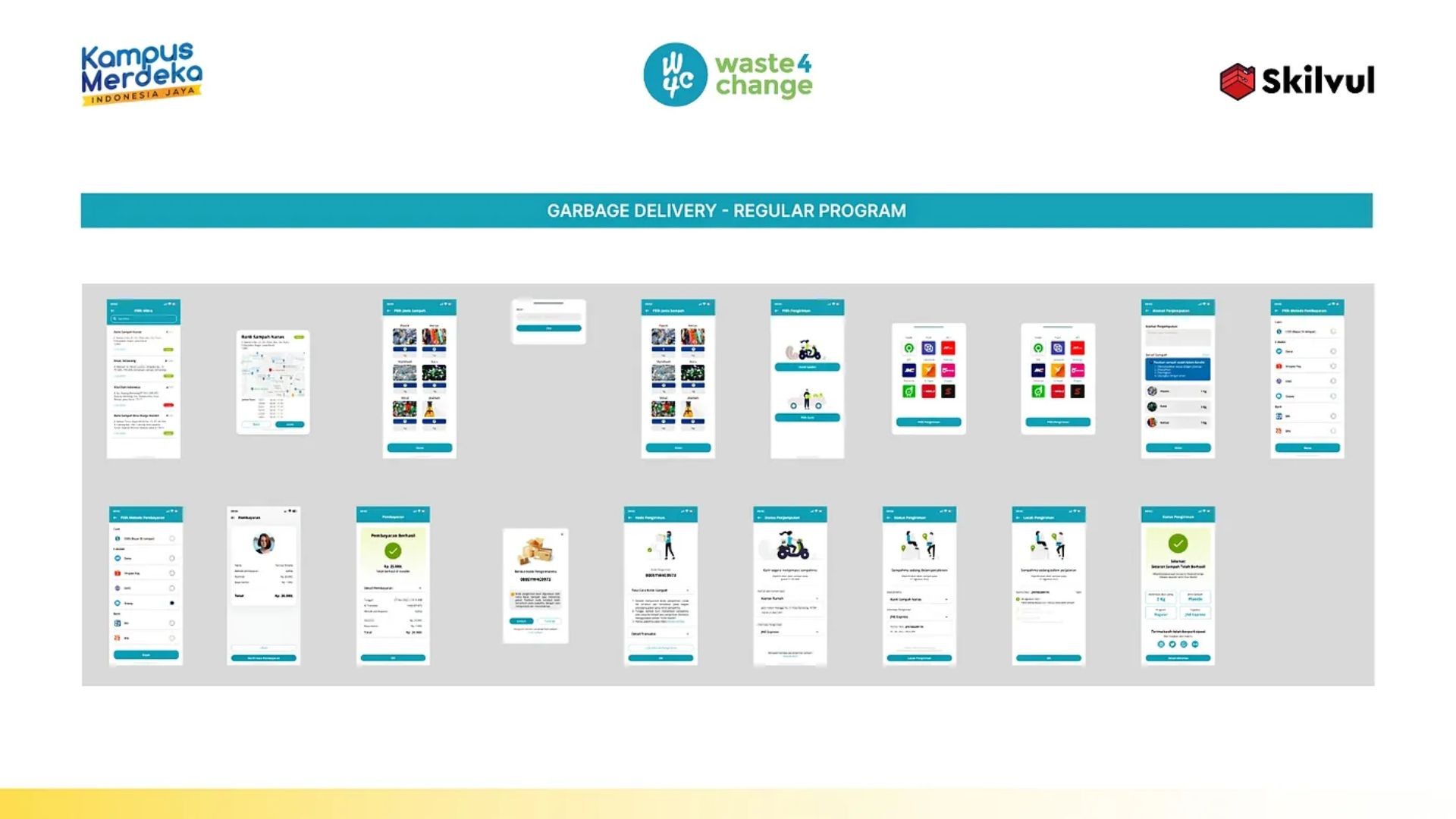
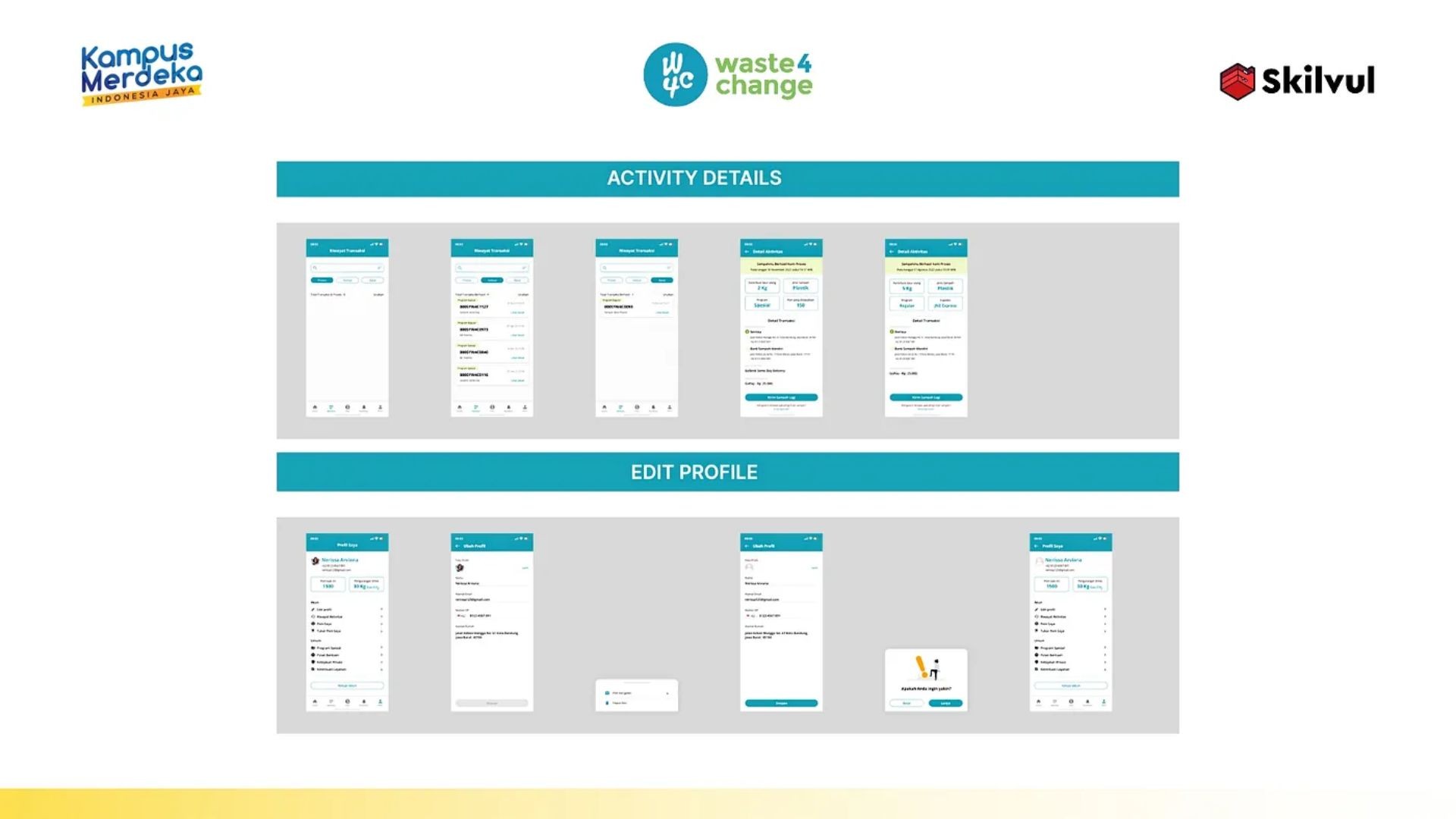
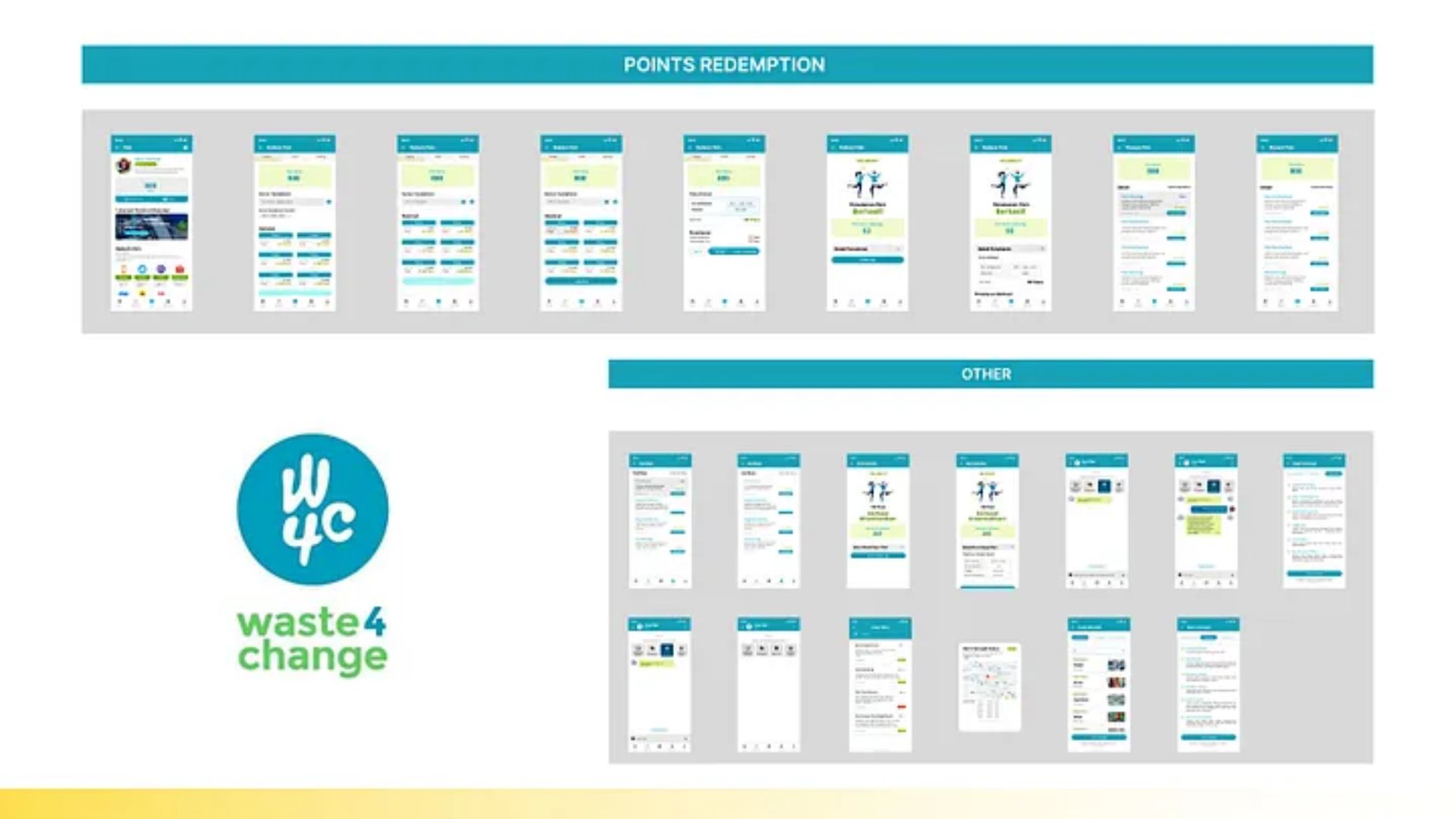
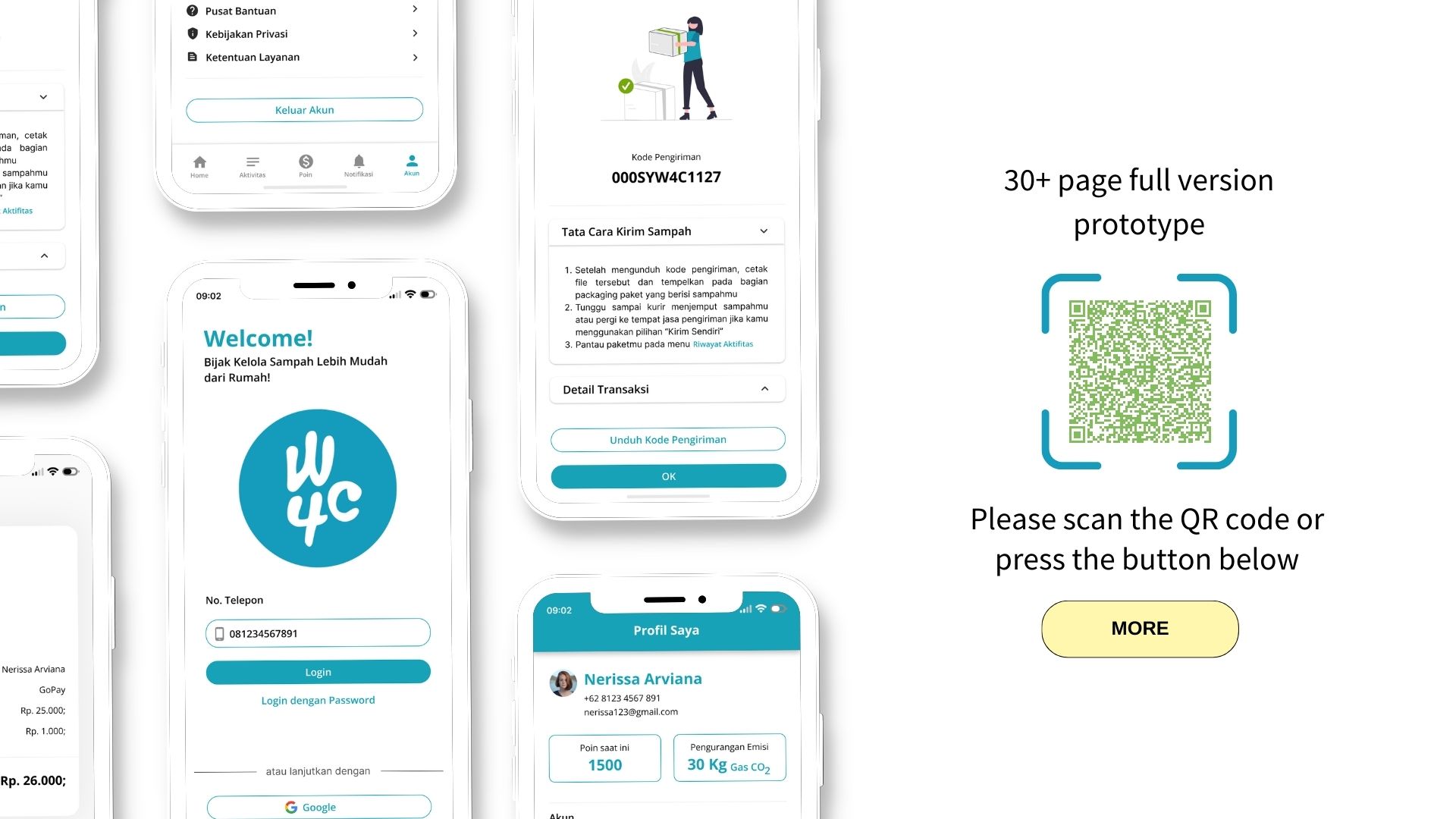
We used the in-depth interview and usability testing methods to explore how user feedback can be more in-depth. Parameter assessment using the Single Ease Question (SEQ) Respondents will rate the level of ease of use for each task by being asked to rate it on a scale of 1 to 7.
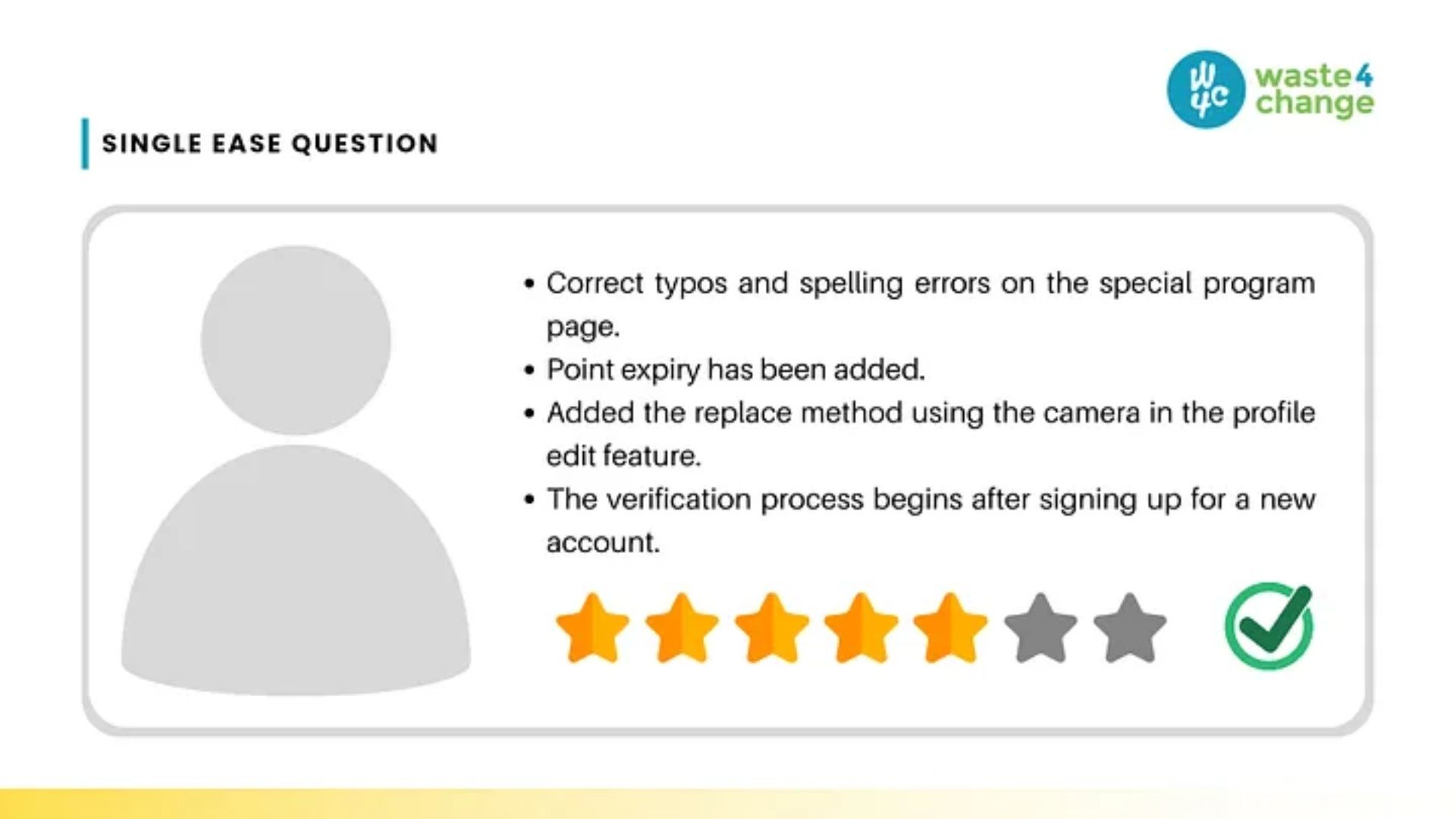
Following are the test results on the Waste4Change redesign using the in-depth interview and usability testing methods:
Conclusion
In the process of working on this project, it can be concluded that:
Overall, we use a design thinking approach with non-consecutive stages, namely the empathize, define, ideate, prototype, and test stages.
Based on the results of the in-depth interview and usability testing that we have done, respondents gave an average Single Ease Question (SEQ) score, namely a scale of 5 out of 7. The results of this average value show that the design solutions we offer are quite informative, easy to understand, and easy to use by users, but there are some drawbacks, such as spelling errors and letters on the Send Your Waste program reward point page.